After 20 years of dealing with acne, I looked into pretty much everything. Prescription topicals, dietary changes, skincare overhauls, procedures. Laser treatment kept coming up as an option, so at some point I stopped dismissing it and actually dug in.
What I found was more complicated than the before-and-after photos suggested. The results varied more than I expected, and the more I read about how these treatments work, the less comfortable I got with one part of the mechanism in particular.
This post is where I landed after that research. I’ll cover how the main laser options work, what the clinical evidence actually shows, and the specific concern that made me decide to pass. If you’re considering laser treatment for your own acne, I think this is worth reading before you book a consultation.
How Laser Treatment for Acne Works
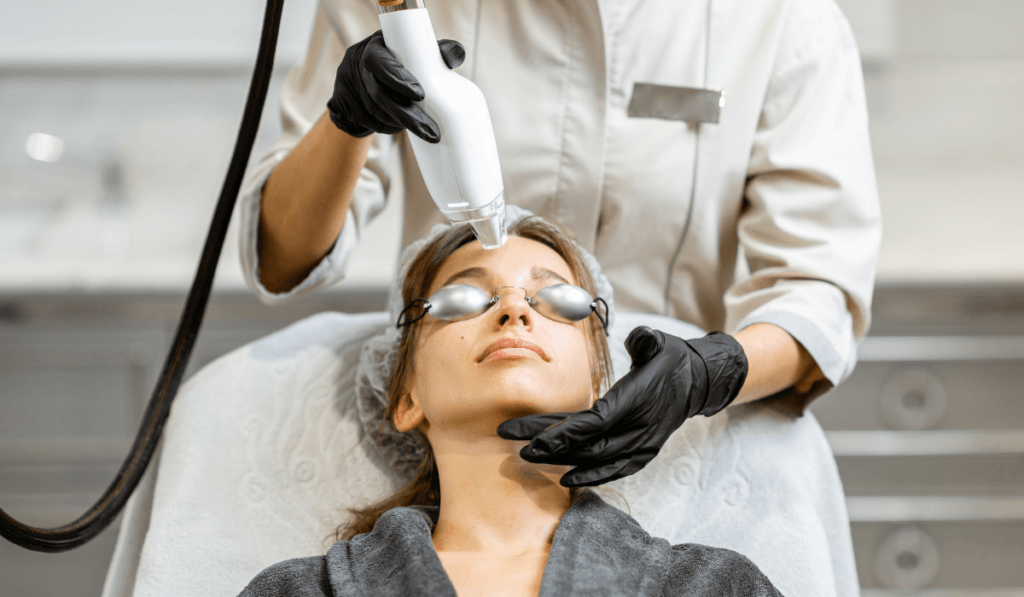
Most laser treatments for acne work through one of two mechanisms: killing acne-causing bacteria (Propionibacterium acnes, or C. acnes) or reducing the activity of sebaceous glands, which are the oil-producing glands that feed acne formation.
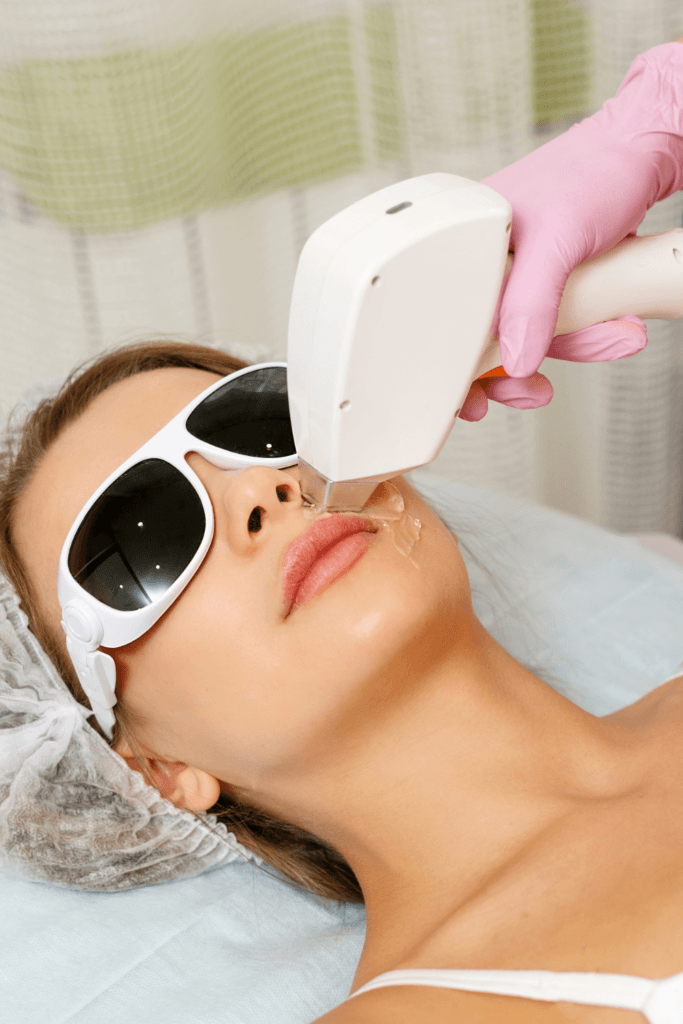
Bacteria-targeting treatments use light wavelengths that bacteria are sensitive to, generating heat or reactive oxygen species that damage or kill P. acnes cells. BBL (BroadBand Light) and some IPL devices fall into this category. They can also reduce redness and some post-inflammatory pigmentation.
Oil gland-targeting treatments go deeper. Devices like Aviclear (1726 nm), Accure (1726 nm), and Alma Clear Skin use wavelengths that are selectively absorbed by lipids in sebaceous glands. The goal is to permanently reduce oil production by damaging the glands themselves. Aerolase Neo and Smoothbeam take a similar approach at different wavelengths.
A few treatments combine both approaches. The Lumenis M22, for example, pairs IPL with an Nd:YAG laser to address surface bacteria and deeper inflammation at the same time.
The number of sessions varies by device and acne severity, typically 3 to 6 treatments spaced 4 to 6 weeks apart. Cost ranges from a few hundred dollars per session to well over a thousand, depending on the device and the clinic.
What the Results Actually Look Like
This is where I started having doubts. When I went looking for before-and-after evidence, I expected clearer patterns than I found.
Clinical studies on most of these devices do show acne reduction. But the numbers are often reported as percentage improvement rather than clearance, and the comparison points vary. A study might show 50-70% reduction in active lesions, which sounds significant until you consider that someone with moderate acne could still have meaningful breakouts at that level. Long-term data beyond 6 to 12 months is also limited for most of these devices.
The before-and-after photos I found online followed a similar pattern. Better, yes. Mostly clear, less often. The majority of results I could find showed skin that had improved but hadn’t transformed. For the cost of a full treatment course (often $1,500 to $3,000 or more), that felt like a difficult trade-off compared to other options.
That’s a personal calculation, not a verdict on the treatments themselves. Someone with severe, cystic acne who hasn’t responded to anything else might weigh that differently than I did. But for moderate acne, the case wasn’t as clear-cut as the marketing suggested.
The Oil Gland Concern I Couldn’t Get Past
For the bacteria-targeting treatments, my concern was different: P. acnes is part of your skin’s microbiome. Clear it out and it comes back. Most of the bacteria-targeting devices require ongoing maintenance sessions for that reason. You’re not solving the problem, you’re managing it at a cost per session. My deeper concern was specifically with the sebaceous gland-targeting devices.
The mechanism that reduces acne in these treatments is tissue damage to oil glands. That’s not a criticism of the technology; it’s how it works. The Aviclear and Accure devices, for example, heat lipids in sebaceous glands to reduce their output over time. The effect is generally described as long-lasting, which makes sense because you’re reducing the functional capacity of the glands.
My concern is what that means for skin aging. Sebaceous glands produce sebum, which is a component of the skin’s natural barrier and keeps the surface lubricated. Skin naturally produces less oil as we age anyway. In your 20s, oily skin can feel like a burden. In your 40s and 50s, that oil production often becomes something you want.
I couldn’t find strong long-term data on how these treatments affect skin barrier function over decades. Most studies follow patients for 6 to 12 months, not 10 to 20 years. The treatment works by permanently (or semi-permanently) reducing gland activity, and I’m not confident I want that trade-off at an age when my skin still has a lot of years ahead of it.
If you have severe, cystic, or nodular acne that has caused significant scarring and hasn’t responded to other treatment, the calculation might be different. But for acne that’s manageable with a good skincare routine, I wasn’t willing to make an irreversible change to my skin’s physiology.
When Laser Treatment Might Actually Make Sense
I want to be clear that I’m not saying laser treatments don’t work or aren’t worth considering. There are cases where they make more sense than others.
Severe or cystic acne that hasn’t responded to topicals, antibiotics, or isotretinoin is a legitimate candidate. When the alternative is ongoing nodular breakouts and scarring, reducing oil production is a reasonable trade-off.
Acne scarring is a somewhat different category. Devices like the Lumenis M22 and certain fractional laser treatments address the texture and discoloration left by past acne rather than active breakouts. The long-term concerns about oil glands apply less here.
Bacteria-targeting treatments (BBL, some IPL) have a mechanism I’m less cautious about. If I were going to try any laser-adjacent treatment, I’d start here. The concern about oil gland damage doesn’t apply in the same way.
A dermatologist consultation is worth it before making any decision here. Not as a disclaimer, but because the right choice actually does depend on your acne type, skin tone, and history with other treatments. Some of these devices have contraindications for certain skin tones that matter.
What I Decided and Why
I decided against laser treatment for a few reasons: the results I saw didn’t justify the cost for my level of acne, I couldn’t find long-term data on what oil gland reduction means for aging skin, and I found that addressing my skin barrier, hydration, and routine brought my acne under control without any of those trade-offs.
That last part is the thing I’d emphasize most. I spent years treating my acne as an oil problem, which led me to strip my skin, which made it worse. Once I started treating it as a barrier problem instead, a lot changed. That shift in thinking was free.
Laser treatment is a real option, and for some people it’s the right one. I just don’t think it should be the first one, or the default answer to persistent acne. The mechanism matters, the long-term data is limited, and the cost is real.
If you’re further along in your research and looking for product-level help, the Vitamin C Serum Finder can help you find a serum matched to your skin type and concerns. Vitamin C is one of the few ingredients with strong evidence for both acne marks and long-term skin health.
Have you looked into laser treatment for acne? I’d be curious whether you reached a similar conclusion or went a different direction.